
Conducting an After Action Review After a Shooting on a College Campus
A shooting on a college or university campus is a profoundly traumatic event. Beyond the immediate priorities of life safety, medical care, and law enforcement response, institutions face a critical responsibility: learning from the incident to prevent future harm and to strengthen preparedness, response, and recovery capabilities. A well structured After Action Review (AAR) is one of the most important tools a campus can use to meet that responsibility.
An AAR is not about assigning blame. It is about understanding what happened, why it happened, and how systems, processes, and decisions performed under extreme stress. When conducted thoughtfully, it supports healing, accountability, and continuous improvement.
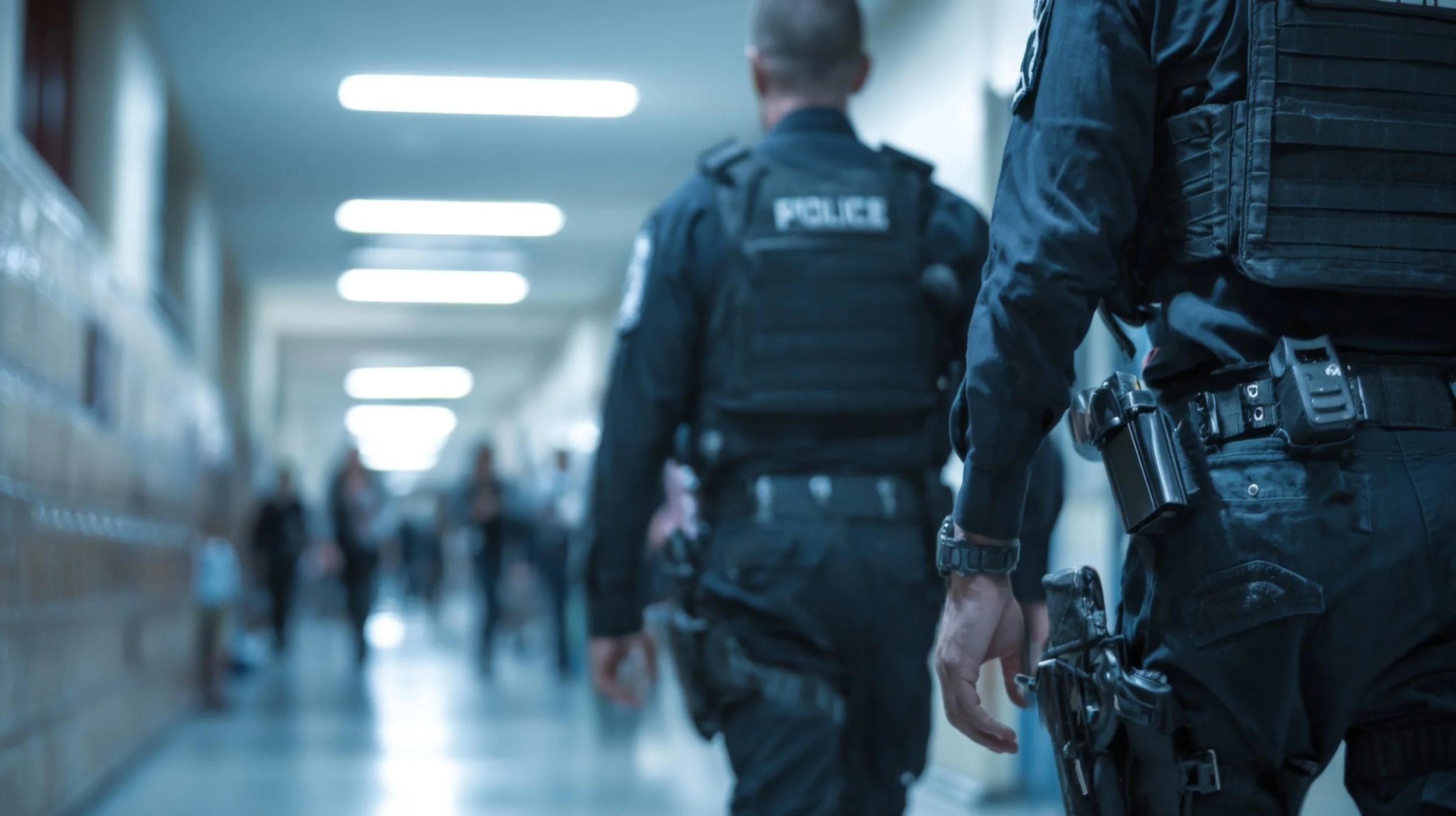
The Purpose of an After Action Review
The primary goal of an AAR following a campus shooting is to objectively evaluate the institution’s preparedness, response, and coordination across people, processes, and technology. This includes examining how threats were identified (or missed), how information was shared, how responders acted, and how the campus community was supported during and after the incident.
Equally important, the AAR demonstrates transparency and commitment to safety. Faculty, staff, students, parents, and governing boards want reassurance that leadership is taking concrete steps to learn from the tragedy and reduce future risk.
Timing and Approach Matter
An effective AAR is typically conducted in phases. Immediately after the incident, a “hot wash” may be held with first responders and key decision makers to capture time sensitive observations while memories are fresh. A more comprehensive AAR should follow once the situation has stabilized, emotions have been acknowledged, and key data can be collected and validated.
The process should be structured, facilitated by a neutral party when possible, and informed by best practices from emergency management, higher education safety, and behavioral threat assessment. Sensitivity is essential; participants may still be grieving or experiencing stress reactions, and psychological safety must be prioritized.
Key Areas to Examine
A campus AAR should take a holistic view of the incident, including events before, during, and after the shooting. Pre incident factors often include threat reporting mechanisms, behavioral intervention processes, access control, lighting, and campus awareness programs. During the incident, the review should examine communications, law enforcement response, medical response, lockdown or shelter-in-place procedures, and coordination between campus and external agencies.
Post-incident considerations are equally critical. These include family reunification, counseling services, continuity of operations, information sharing with the campus community, and long-term recovery. Technology performance such as emergency notification systems, cameras, access control, and radio interoperability should be evaluated alongside policies, training, and staffing.
Involving the Right Stakeholders
An AAR should bring together a broad range of perspectives. Campus police or security, senior leadership, facilities, IT, student affairs, communications, counseling services, and emergency management all play vital roles. External partners such as local law enforcement, fire/EMS, and healthcare providers should also be included where appropriate.
Importantly, the voices of those directly impacted including students, faculty, or staff should be considered through surveys, interviews, or listening sessions, even if they are not present in formal review meetings. Their experiences often reveal gaps that operational teams may overlook.
Turning Findings Into Action
An AAR is only as valuable as the actions that follow. Findings should be translated into clear, prioritized recommendations with assigned ownership, timelines, and resource considerations. These may include policy changes, technology upgrades, additional training, staffing adjustments, or enhancements to threat assessment and case management processes.
Leadership commitment is essential. Institutions should track corrective actions, report progress to appropriate governance bodies, and revisit recommendations periodically to ensure they are fully implemented and effective.
Supporting Healing and Trust
Finally, it is important to recognize that an AAR is part of the broader recovery process. Conducted with care and transparency, it can help rebuild trust, reinforce a culture of safety, and honor those affected by ensuring lessons learned lead to meaningful change.
While no campus can eliminate all risk, a disciplined and compassionate After Action Review demonstrates that the institution is committed to learning, improving, and doing everything possible to protect its community in the future.